
- Home
- About UTS
- Admissions
- The UTS Difference
- Support UTS
- UTS Community
- Stories
- Contact

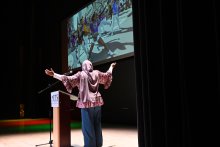
UTS launched Black Futures Month with a powerful and moving assembly, organized by students and staff on our Black Equity Committee. Through celebration, dialogue and storytelling, our community gained deeper insight into the experiences and perspectives of our Black students.
By celebrating Black Futures Month instead of Black History Month, we signal our commitment to building for tomorrow, working to right the wrongs of the past while creating a better future for Black students, a vision reflected in this month’s theme: "Roots: Belonging as a Black Canadian." As Dr. Tavares reminded students, in the words of Jean Augustine, “Black history is not just for Black people – Black history is Canadian history.”
Our guest speaker, along with UTS student speakers, spoke about the tensions they navigate daily: the pressure to conform to social standards that reject Black culture, racist language too often explained away as “just a joke”, memes that use Black people as the joke, and “I don’t see colour” used as a way to ignore uncomfortable truths about Black lives. We also heard about the resilience shown in Black history, the incredible creativity and boundary-pushing evident in Black culture and the exciting promise of Black futures.
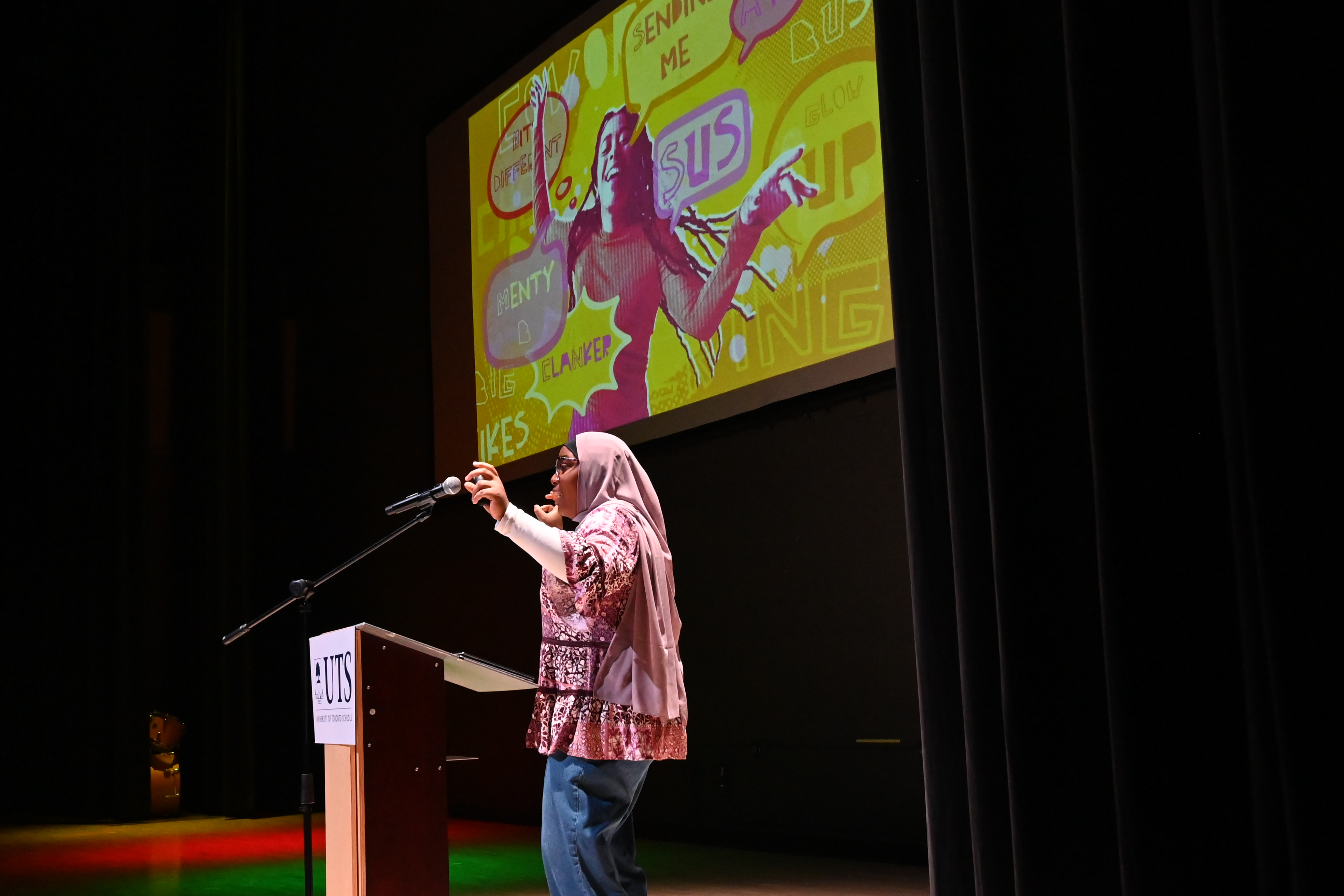
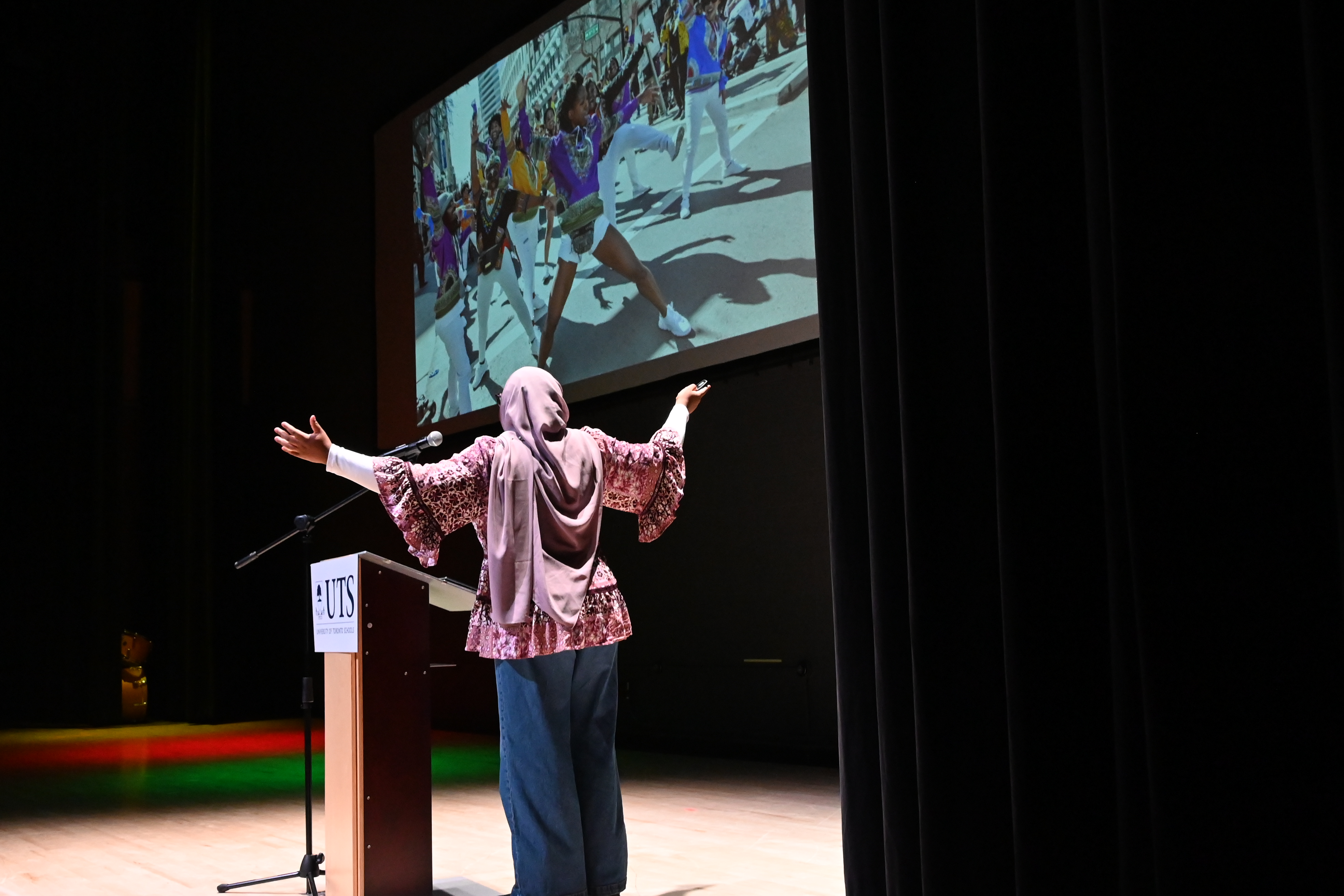
S5 Safeyyah speaking at the Black Futures Month assembly.
The assembly was a time for our community to listen, learn, celebrate and reflect. In a compelling and powerful speech, S5 student Safeyyah challenged cultural appropriation and the co-opting of Black culture. She pointed to the glorification and adoption of popular Black culture even as discrimination, hate and prejudice are allowed to thrive.
“They want our rhythm, but not our blues,” she said. “Take the music. Take the dressing, take the voices, take the magic and the power that comes from being a Black person, but don't deal with the discrimination, racism, hate and prejudice.”
Safeyyah pointed to contemporary artists like Ariana Grande and social media influencers who use the African American vernacular dialect and "cool" Black aesthetics, from music styles to fashion to food culture, to advance their careers while often perpetuating stereotypes and ignoring the racism faced by Black people.
This erasure extends deep into history. Most people know Elvis Presley made ‘Hound Dog’ a hit, but how many know that its famous line uses African American Vernacular, and that Black singer Big Mama Thornton first recorded the song in 1952. Four years later, Elvis’s version overshadowed her original. As noted by Safeyyah, while Elvis is called "The King” of rock ‘n roll, Chuck Berry is “The Father” who pioneered the sounds and the moves that made Elvis an icon.
"Black culture is not a costume you can put on," Safeyyah reminded us, challenging the casual appropriation of African American Vernacular English by non-Black speakers ‒ including in our own halls. S6s Eden and Diara reinforced this message: "In order to dismantle racism within pop culture, we must first remove our ignorance and acknowledge the contributions of Black culture to the mainstream. You cannot appreciate a culture without appreciating its people."
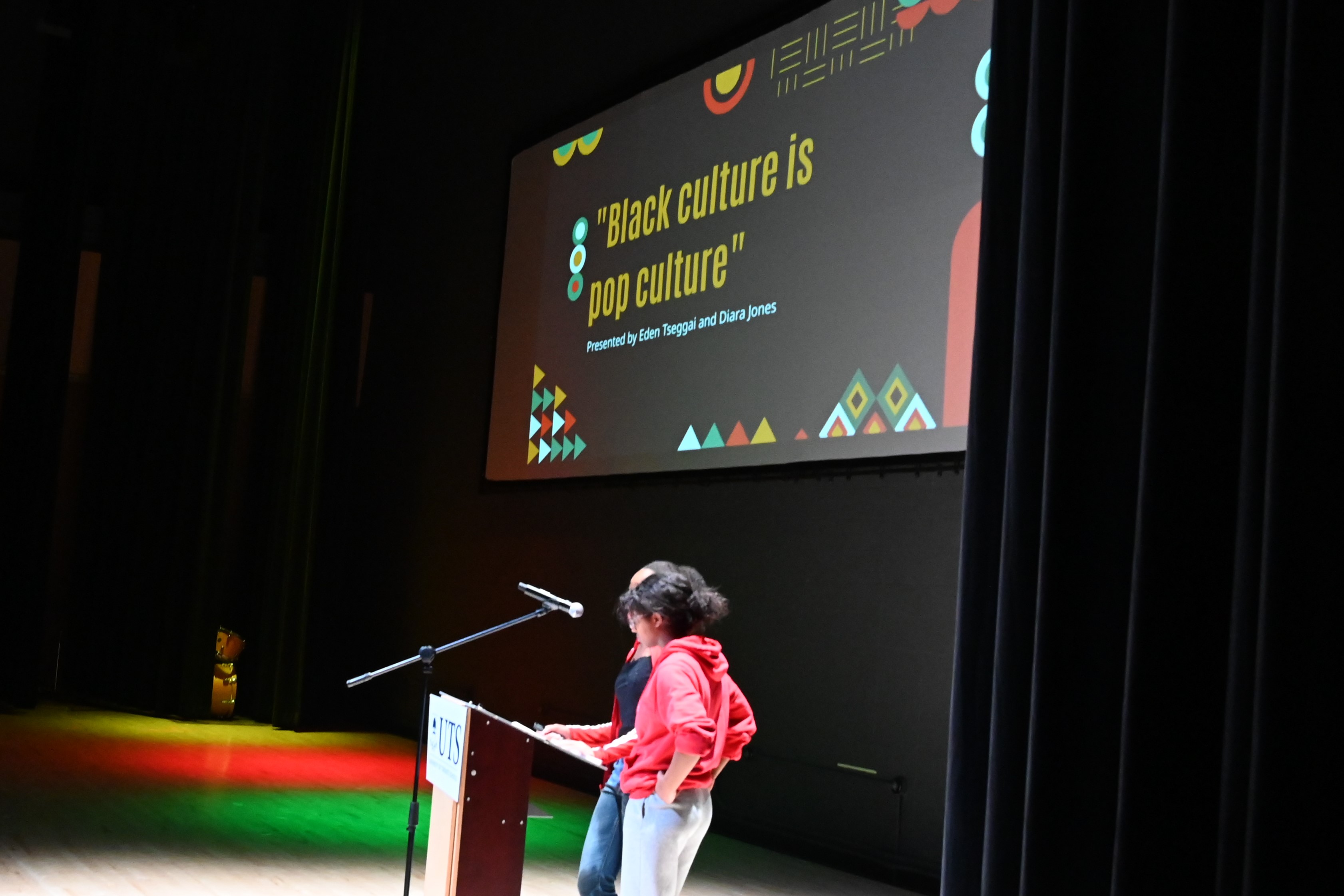
S6 (grade 12) students Eden and Diara, Co-presidents of the Black Equity Committee.
We ended with a call to action: inclusion and community are the pillars of UTS that we must protect and nurture. Through consultation, conversation and mutual respect, we can genuinely share culture. This work strengthens our community and ensures students thrive and experience joy.
After the assembly, students took part in our Black Food Fair, featuring jollof rice, jerk chicken and sorrel at lunch in the Fleck Atrium. Next week, students have the opportunity to view the film, The Boy Who Harnessed the Wind. Throughout the month, other events and activities will be taking place in celebration of Black Futures Month, and our Washington Street entrance is alive with images of notable Black Canadians, art and culture.
Read more of Dr. Foster's Blog
#fosteringbrilliance
#UTSstories
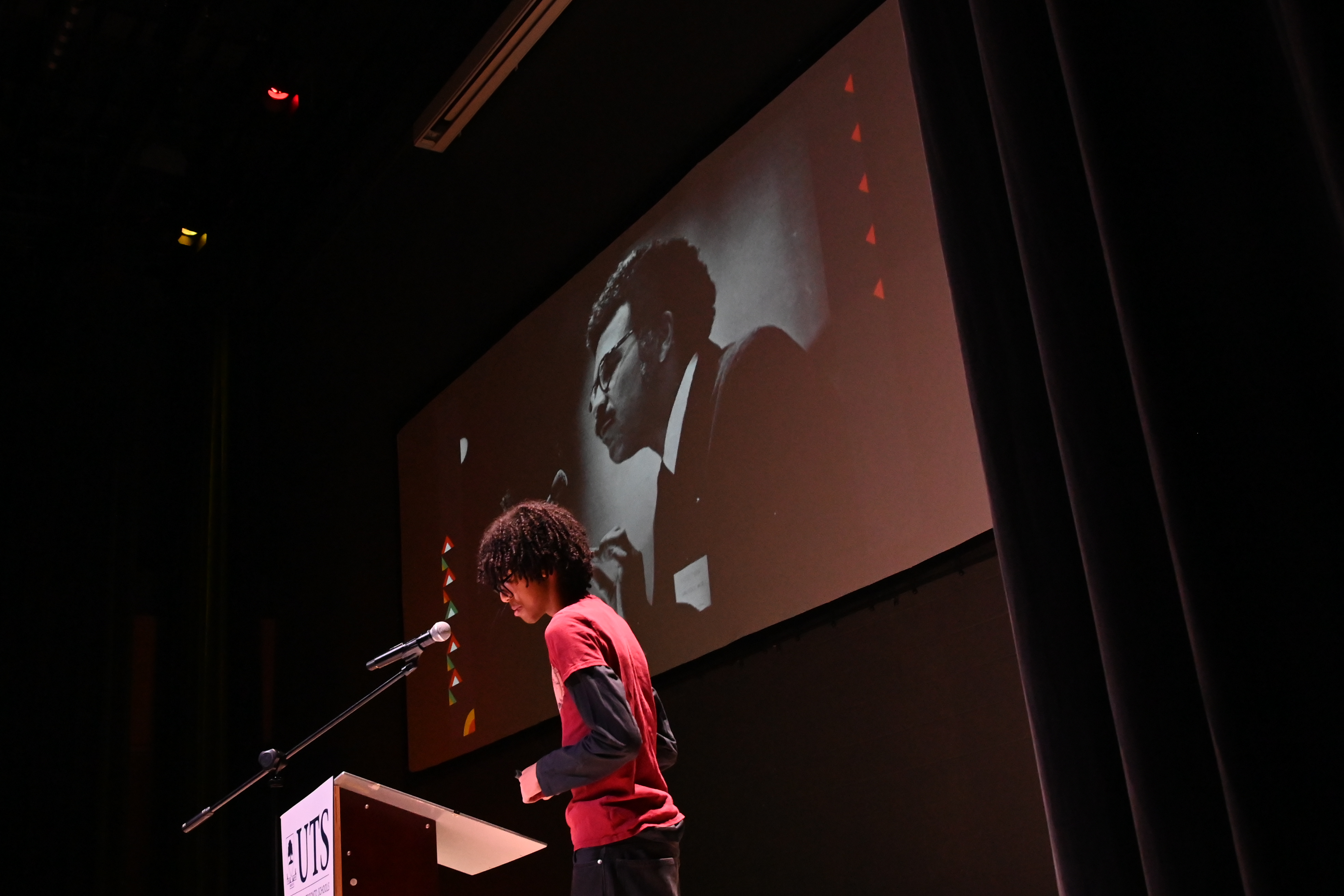
S5 Matthew spoke about the origins of harmful expressions such as “That’s so ghetto,” adding that thinking about something before you say it is a form of kindness.





.png&command_2=resize&height_2=85 "Your Voice Matters")

.png&command_2=resize&height_2=85 "Building Trust and Understanding")
.png&command_2=resize&height_2=85 "Wellness and Excellence: A Strong and Growing Bond")

.png&command_2=resize&height_2=85 "The Uplifting Power of the Arts")
.png&command_2=resize&height_2=85 "Leadership as a Practice")


.png&command_2=resize&height_2=85 "The Gift of Gratitude")


.png&command_2=resize&height_2=85 "Learning to ask for help can take your children far")